Maine Coon Stories: Owner Guides, Health, Genetics & Breed Knowledge
In-depth, expert-researched articles about the Maine Coon — written for new owners, prospective buyers, and lifelong gentle-giant families. Health, history, genetics, gear, and ownership.
Welcome to the Maine Cat Central editorial library. Every article below is researched specifically for the Maine Coon breed — the world's largest domestic cat and one of America's oldest natural breeds. Use the index to jump straight to a topic, or scroll through the full library.
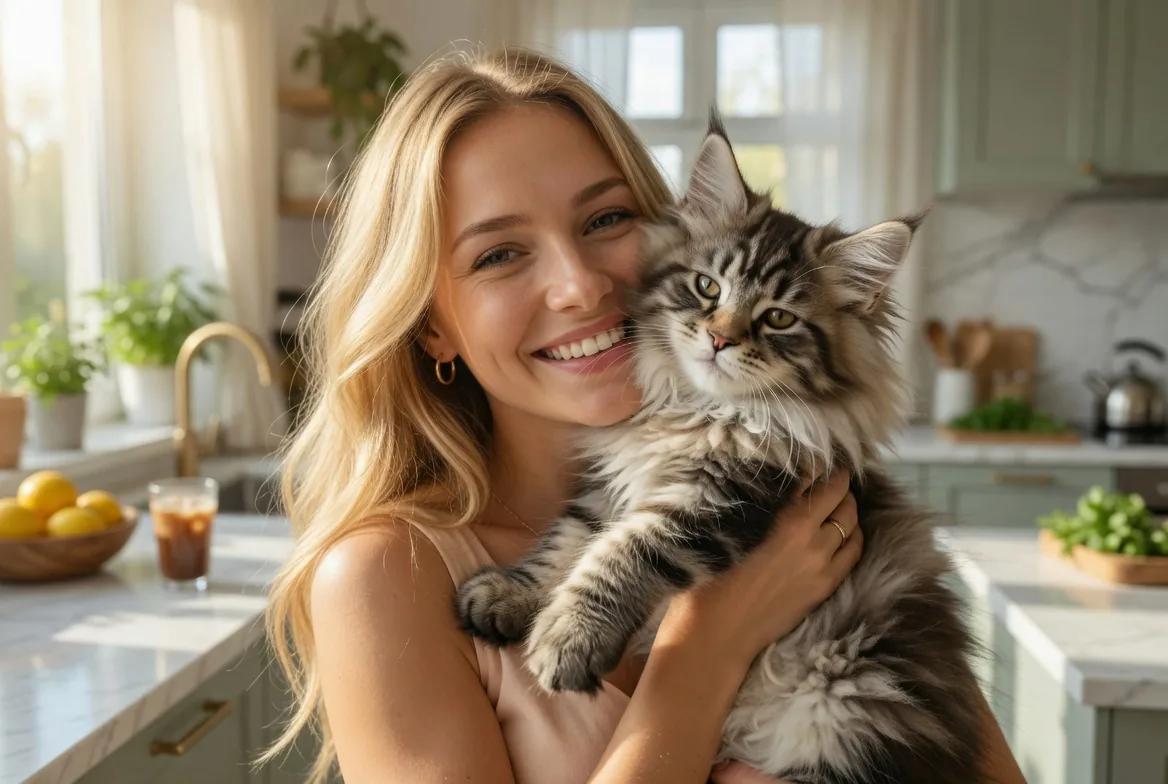
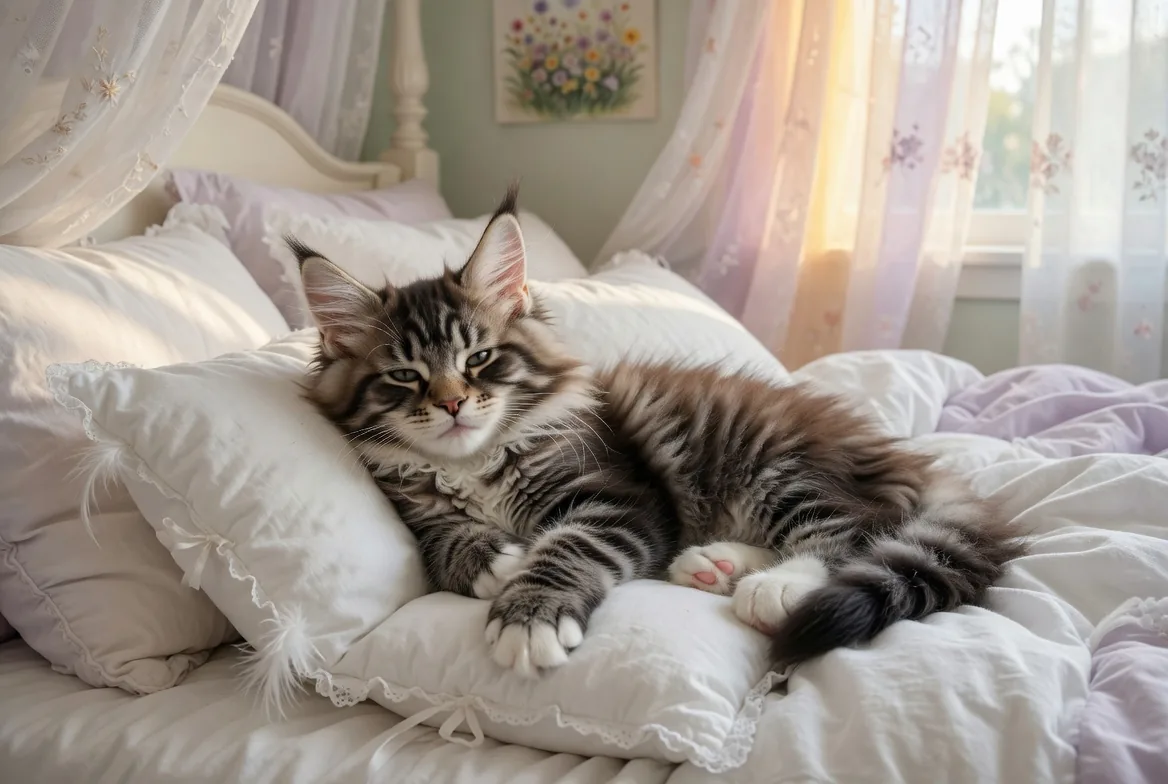
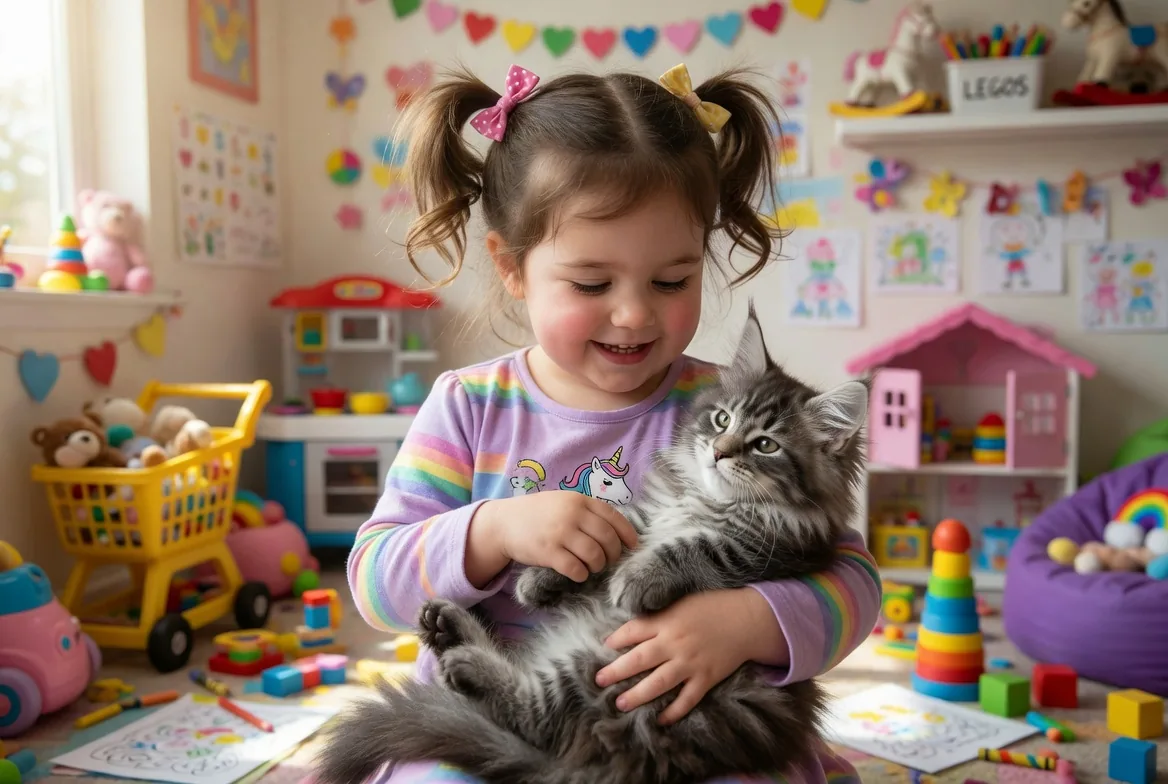
A day-by-day playbook for the most important month of your Maine Coon's life — from the quiet room on day one to confident, bonded family member by week four.
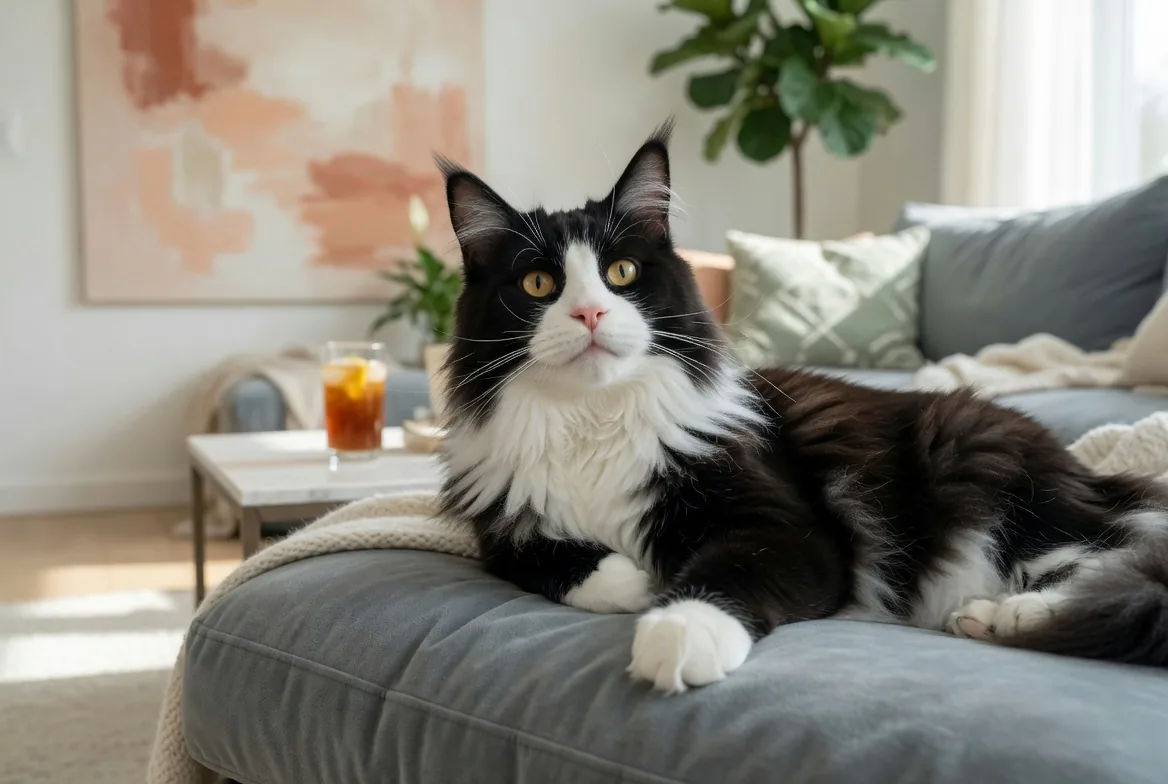
Hypertrophic Cardiomyopathy is the #1 health concern in the breed. Here's exactly what HCM is, how it's screened, and the questions you must ask before reserving any kitten.
Twelve concrete green flags and red flags — backed by TICA standards and veterinary best practice — that separate world-class Maine Coon breeders from kitten mills with a website.
Separating viral myth from documented reality. Adult weight ranges, length records, the 3-to-5-year growth curve, and what actually predicts a giant adult Maine Coon.
Once the working norm of New England barns, polydactyl Maine Coons are now a treasured heritage trait. The genetics, the show standards, and the special nail care they need.
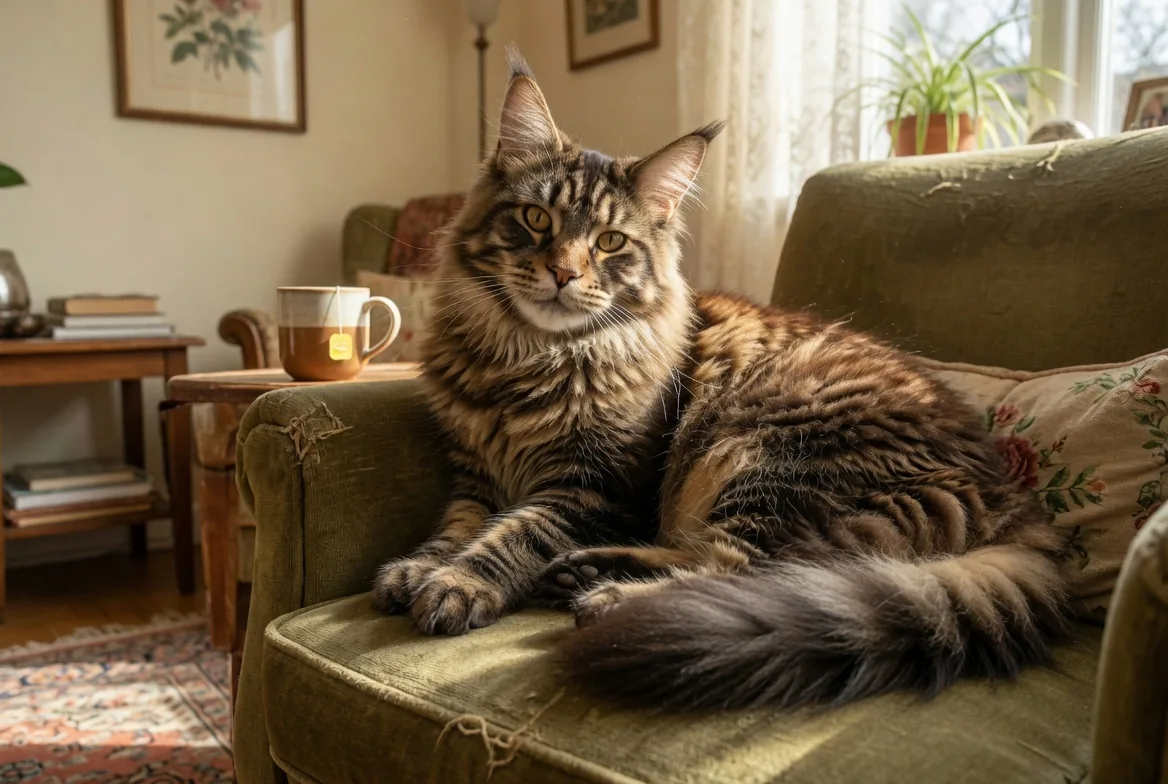
Why most cat trees fail Maine Coons within a year — and the five engineering specs (height, base width, post diameter, weight rating, sisal type) that separate keepers from junk.
📖 8 min read📅 Updated 2026
New Owner Guide
Bringing Home Your Maine Coon: The First 30 Days
By: Maine Cat Central Editorial Team ·
Category:New Owner Guide ·
Reading time: 8 min read ·
Published: 2026-04-15 ·
Updated: 2026-04-27
A day-by-day playbook for the most important month of your Maine Coon's life — from the quiet room on day one to confident, bonded family member by week four.
Why the First 30 Days Matter
Maine Coon kittens leave their breeder between 12 and 16 weeks — well-socialized, vaccinated, and confident. The first month in your home cements two things that last a lifetime: their sense of safety and their bond with you. Rushing this window is the most common mistake new owners make.
Days 1–3: The Quiet Room
Confine your new kitten to one small, quiet room — a bedroom or bathroom is ideal. Provide food, water, a litter box, a soft bed, and a couple of toys. Sit on the floor, talk softly, and let them come to you. Do not chase, lift, or force interaction. A confident Maine Coon kitten will usually emerge within hours; a shy one may take a full day or two.
Days 4–14: Expanding Their Territory
Once your kitten is eating well, using the litter box, and approaching you for play, gradually open the rest of your home — one room at a time. Show them where every litter box is. Maintain the breeder's feeding schedule and food brand. Transition to your preferred food, if different, over 7–10 days by mixing increasing ratios.
Days 15–30: Building Routine
Two play sessions per day (15 minutes each) using wand toys.
Begin grooming. Two minutes with a stainless-steel comb followed by a treat. Build slowly toward 10-minute sessions.
Introduce a soft cat toothbrush — even just touching the gums teaches lifelong tolerance.
First vet visit within 7–10 days. Bring all health paperwork from the breeder.
Confirm spay/neuter timing with your vet (typically 5–6 months).
Introducing Other Pets
Move slowly. Swap blankets between rooms for several days (scent introduction), then visual introductions through a baby gate or cracked door, then brief supervised in-person meetings. Maine Coons are famously social and usually integrate beautifully — but rushing creates avoidable friction.
Common Week-One Worries (and Why You Shouldn't Panic)
Hiding for hours. Normal. New environment, new smells.
Eating less than expected. Common in the first 48 hours from stress.
One vomit episode. Likely a hairball or food transition. Watch for repeats.
Sleeping a lot. Kittens sleep 16–20 hours a day.
Call your vet if you see no eating or drinking after 24 hours, no urine for 24 hours, repeated vomiting, lethargy combined with hiding, or any difficulty breathing.
HCM in Maine Coons: What Every Buyer Must Understand
By: Maine Cat Central Editorial Team ·
Category:Health & Genetics ·
Reading time: 11 min read ·
Published: 2026-04-10 ·
Updated: 2026-04-27
Hypertrophic Cardiomyopathy is the #1 health concern in the breed. Here's exactly what HCM is, how it's screened, and the questions you must ask before reserving any kitten.
What Is HCM?
Hypertrophic Cardiomyopathy (HCM) is the most common heart disease in domestic cats. The walls of the left ventricle thicken abnormally, reducing the heart's ability to fill and pump blood efficiently. Over time it can lead to heart failure, blood clots (saddle thrombus), or sudden death. It is also the most-studied genetic condition in the Maine Coon breed.
The Maine Coon HCM Mutation (MYBPC3-A31P)
Researchers at the University of California, Davis identified a specific mutation in the MYBPC3 gene strongly associated with HCM in Maine Coons. A simple cheek-swab DNA test reports one of three results:
N/N (Negative/Negative): Cat does not carry the mutation. Lowest genetic risk.
N/HCM (Heterozygous): One copy. Increased risk of developing HCM, but many never do.
HCM/HCM (Homozygous): Two copies. Significantly elevated risk and earlier onset.
Important caveat: The MYBPC3 test is not the whole story. HCM in Maine Coons is polygenic — multiple genes plus environmental factors contribute. A cat can test N/N and still develop HCM. This is why DNA testing alone is insufficient.
The Echocardiogram: The Real Gold Standard
An echocardiogram performed by a board-certified veterinary cardiologist is the only reliable way to detect early structural changes. Reputable breeding cats are scanned annually until at least age 5, then every 1–2 years. A printed report should accompany every breeding kitten.
Questions Every Buyer Must Ask
"Has the sire and dam been DNA tested for MYBPC3? May I see the certificates?"
"When was the most recent echocardiogram on each parent? Was it performed by a board-certified cardiologist?"
"What is your written health guarantee, and how long does it cover cardiac conditions?"
"Have you ever produced a kitten that developed HCM? How did you handle it?"
An ethical breeder will welcome these questions. Vague answers, defensiveness, or an unwillingness to share documentation are red flags.
If Your Cat Develops HCM
Early diagnosis dramatically improves outcomes. Modern medications (typically beta-blockers, ACE inhibitors, or pimobendan, depending on case) can manage the condition for years. Many Maine Coons with managed HCM live full, comfortable lives. Annual cardiology check-ins become essential.
Warning Signs to Call Your Vet Immediately
Open-mouth breathing or panting (cats almost never pant — this is an emergency)
Sudden hind-leg weakness or paralysis (saddle thrombus — emergency)
By: Maine Cat Central Editorial Team ·
Category:Buyer's Guide ·
Reading time: 9 min read ·
Published: 2026-04-05 ·
Updated: 2026-04-27
Twelve concrete green flags and red flags — backed by TICA standards and veterinary best practice — that separate world-class Maine Coon breeders from kitten mills with a website.
Why This Matters More for Maine Coons
The Maine Coon is one of the most-demanded breeds on the planet, which has attracted a flood of opportunistic and outright unethical sellers. A health-tested, well-socialized Maine Coon kitten from an ethical breeder typically costs $2,000–$4,000+. Anything dramatically cheaper, shipped sight-unseen, or ready before 12 weeks should make you cautious.
12 Green Flags of an Ethical Breeder
TICA, CFA, or equivalent registry membership with cattery name and registration number you can verify.
Open access to their home or cattery — in person or via live video call.
Health certificates shared proactively: HCM (DNA + echo), SMA, PKD, hip evaluation.
Five-generation pedigrees available on request.
Kittens raised underfoot, not in cages or isolation.
Never releases kittens before 12 weeks (most ethical catteries wait 14–16 weeks).
Written health guarantee, typically covering congenital and genetic conditions for 1–3 years.
Spay/neuter contract for non-breeding kittens.
Take-back clause: if you can ever no longer keep the cat, the breeder takes it back, no questions.
Limited litters per year (usually 2–4 from the entire cattery, not per queen).
Asks you questions — about your home, lifestyle, other pets, plans.
Stays in touch for life — wants photos, updates, and is your first call when something is off.
12 Red Flags — Walk Away
"Always available" kittens — large rotating inventory.
Will ship sight-unseen with no video tour offered.
Won't share parent health certificates, or makes excuses.
Vague pedigree information; can't name the grandparents.
Releases kittens at 6–10 weeks "to bond with you sooner."
Prices significantly below market ($800–$1,500 for "show quality").
Pressure to put down a deposit immediately.
Only accepts wire transfer, gift cards, or cryptocurrency.
No written contract.
No spay/neuter requirement on pet kittens.
Multiple breeds in the same cattery, especially other "exotic" or in-demand breeds.
No questions about you — they just want to close the sale.
How Maine Cat Central Vets Breeders
Every breeder in our network signs our Ethics & Health-Testing Agreement, provides current health certificates for every breeding cat, and agrees to lifetime kitten support. We verify registration, request pedigree documentation, and remove any breeder who fails our annual review.
How Big Do Maine Coons Get? Real Size, Weight & Growth Timeline
By: Maine Cat Central Editorial Team ·
Category:Breed Knowledge ·
Reading time: 7 min read ·
Published: 2026-03-28 ·
Updated: 2026-04-27
Separating viral myth from documented reality. Adult weight ranges, length records, the 3-to-5-year growth curve, and what actually predicts a giant adult Maine Coon.
Real Adult Size Ranges
Adult males: 15–25 lbs (6.8–11.3 kg). 18–22 lbs is typical.
Adult females: 10–15 lbs (4.5–6.8 kg). 12–14 lbs is typical.
Length nose-to-tail: 30–40+ inches (76–100+ cm).
Shoulder height: 10–16 inches (25–41 cm).
Cats over 25 lbs are outliers, not the norm. Many viral "world's biggest Maine Coon" photos use forced perspective or feature overweight cats — not breed-typical specimens.
Growth Timeline
0–6 months: Rapid growth. Most kittens reach 6–8 lbs by 6 months.
6–12 months: Continued steady growth. Most reach 10–12 lbs by their first birthday.
1–3 years: Frame and length finalize.
3–5 years: Final muscle mass and full coat. Maine Coons are unique among domestic cats in growing this long.
What Predicts a Larger Adult?
The single best predictor is parent size. Ask your breeder for the actual measured adult weights of the sire and dam. Beyond that, males trend larger than females, and certain bloodlines (often European) tend toward larger frames. Diet and neutering timing have minor effects compared to genetics.
Barivel — Italian Maine Coon, Guinness longest living domestic cat at 47.2 inches (2018).
Verified weight records over 30 lbs are extremely rare and almost always indicate health concerns rather than breed-typical size.
Healthy vs. Overweight
A healthy Maine Coon should have a visible waist when viewed from above and a slight tuck in the belly when viewed from the side. You should be able to feel the ribs with light pressure but not see them. Carrying extra weight on a frame this large dramatically increases the risk of arthritis, diabetes, and cardiac strain.
Polydactyl Maine Coons: History, Genetics & Care of the 'Mitten Cats'
By: Maine Cat Central Editorial Team ·
Category:Breed Knowledge ·
Reading time: 6 min read ·
Published: 2026-03-20 ·
Updated: 2026-04-27
Once the working norm of New England barns, polydactyl Maine Coons are now a treasured heritage trait. The genetics, the show standards, and the special nail care they need.
What Is Polydactyly?
Polydactyly means "many digits." Standard cats have 18 toes (5 front, 4 back). Polydactyl Maine Coons typically have 22 to 26 toes — most often expressed as a single extra "thumb" on each front paw, giving the famous "mitten cat" appearance.
Historical Significance
In the working ports and farms of New England, polydactyl Maine Coons were prized. The extra toes were believed to provide better balance on ship rigging and superior mousing ability in barn environments. Historical estimates suggest up to 40% of early Maine Coons in Maine were polydactyl. The trait nearly disappeared when most cat registries excluded polydactyls from showing in the mid-20th century.
The Genetics
Polydactyly in Maine Coons is caused by an autosomal dominant mutation in the Sonic Hedgehog (Shh) regulatory region — specifically the "Hw" allele. A single copy is enough to express the trait. The mutation is benign and not associated with health problems, distinguishing it from polydactyly in some other breeds.
Show Status Today
The International Cat Association (TICA) recognizes polydactyl Maine Coons as a championship variety. Other registries vary. Many enthusiasts consider preserving the polydactyl line a form of heritage conservation for the breed.
Special Care Considerations
Nail trimming: Extra toes often have extra nails. Some "thumb" nails don't naturally wear down with scratching and require regular trimming to prevent ingrown nails.
Litter box: Larger paws can spread litter further — a high-sided or top-entry box helps.
Health: No additional health screening is required beyond standard Maine Coon testing (HCM, SMA, PKD, hips).
Choosing a Cat Tree for a Maine Coon (Without Wasting $300)
By: Maine Cat Central Editorial Team ·
Category:Gear & Setup ·
Reading time: 8 min read ·
Published: 2026-03-12 ·
Updated: 2026-04-27
Why most cat trees fail Maine Coons within a year — and the five engineering specs (height, base width, post diameter, weight rating, sisal type) that separate keepers from junk.
Why Standard Cat Trees Fail Maine Coons
A typical cat tree is engineered for a 9-lb cat that climbs occasionally. A 20-lb Maine Coon climbing daily, jumping from height, and using the post for full-body scratching imposes loads the structure was never designed for. Within months, perches sag, posts wobble, and the whole tree becomes a hazard.
The Five Specs That Matter
Weight rating: 25+ lbs minimum. If the listing doesn't specify a weight rating, assume it's not enough.
Base width: at least 24" × 24". A narrow base on a 6-foot tower is a tipping risk.
Post diameter: 4 inches or thicker. Thin posts (2–3") flex under a Maine Coon's weight and offer poor scratching leverage.
Perch dimensions: 16" diameter or 16"+ square. Small perches force a Maine Coon to balance awkwardly. They want to sprawl.
Sisal rope, not sisal fabric. Rope handles years of scratching; fabric shreds in months.
Other Things Worth Paying For
Solid wood frame over particle board.
Replaceable posts — rope wears out eventually; being able to re-wrap saves money.
Wall anchor included for trees over 5 feet.
Multiple levels close enough to step rather than jump (joint protection for seniors).
Things You Can Skip
Carpeted everything — Maine Coons prefer scratching sisal to carpet.
Hammocks — most Maine Coons over 15 lbs don't fit comfortably.
Tiny enclosed "condos" — too cramped for the breed.
Budget Reality
A genuinely Maine-Coon-rated cat tree starts around $200 and the best models are $300–$500. This sounds painful until you realize you're replacing a $80 standard tree every 6–12 months. Buy once, cry once.
Wall-Mounted Alternatives
Wall-mounted shelves and ramps are a beautiful, more durable, and often cheaper alternative. They give Maine Coons the vertical territory they crave without the floor footprint. Look for shelves rated 30+ lbs, with non-slip surfaces, anchored into wall studs.